
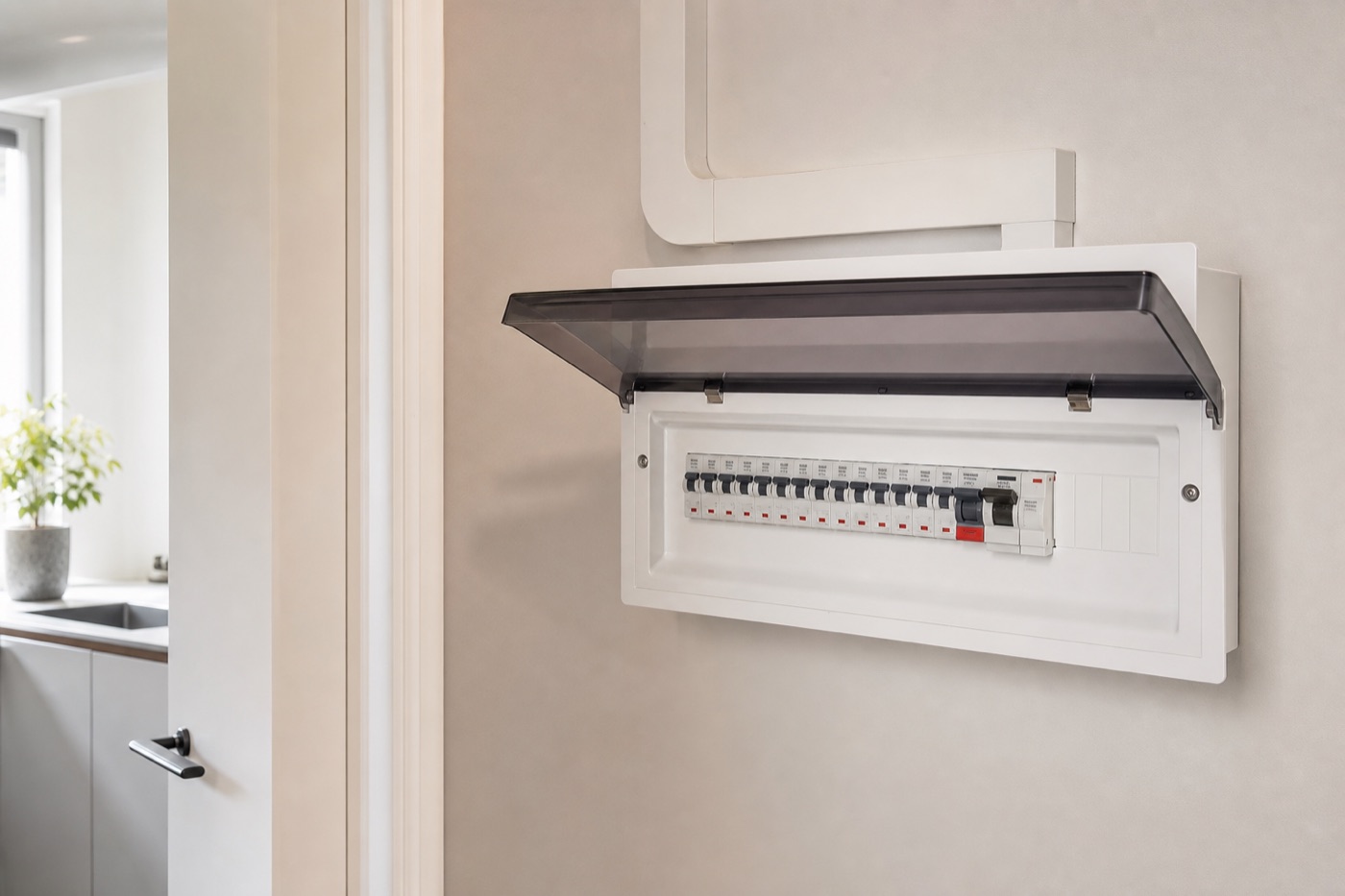
An older fuse box is not automatically unsafe, and a modern-looking one does not guarantee the rest of the installation is sound. The sensible decision comes from inspecting the installation and understanding what protection the property actually has.
Seven reasons to arrange an inspection
- Repeated tripping: especially when the cause is unclear or becoming more frequent.
- Heat, discolouration or a burning smell: isolate the issue if safe and seek urgent professional advice.
- Visible damage: cracked covers, exposed parts or missing blanks should be addressed.
- Old rewireable fuses: these may indicate the installation lacks modern protection.
- No obvious RCD protection: modern installations use additional protection for relevant circuits.
- Major new electrical loads: an EV charger, extension or electric heating may justify reviewing capacity and protection.
- An unsatisfactory EICR: the report may recommend remedial work, although replacement is not the answer to every observation.
What a replacement can improve
A correctly specified modern fuse box can provide updated protective devices, clearer circuit identification and a sound foundation for planned electrical upgrades. The rest of the installation still needs to be suitable for continued use.
Do not replace the box to hide a wider problem
Testing may uncover faults elsewhere in the installation. A responsible electrician explains those findings rather than treating the fuse box as an isolated product sale.
What Wiredd checks
We look at the existing installation, the property’s electrical requirements and any upgrades you may add later, then explain whether replacement is appropriate and what the work includes.
Want a clear next step for your property?
Tell us what you need. Paul and the Wiredd team will review the details and explain what makes sense.
Start My Electrical Enquiry